Hale Lane HA8 removals advice for terraced houses
Posted on 14/07/2026
![A quiet residential street in Edgware featuring a row of terraced houses built with red brick and brick chimneys visible atop each property. Small front steps and low brick walls separate the houses from the pavement. On the right side, a tall wooden fence runs along the boundary, with dense green foliage hanging over its top. The street is paved and narrow, with a slight curve leading to more houses in the distance, and several black wheelie bins are positioned along the sidewalk for waste collection. The scene is illuminated by natural daylight, casting shadows on the pavement, and the overall environment suggests a typical suburban setting suitable for home relocation or furniture transport. Occasionally, [COMPANY_NAME] may utilize this type of street for house removals or professional moving services, involving loading and packing activities within the properties or onto moving vehicles.](/pub/blogphoto/hale-lane-ha8-removals-advice-for-terraced-houses1.jpg)
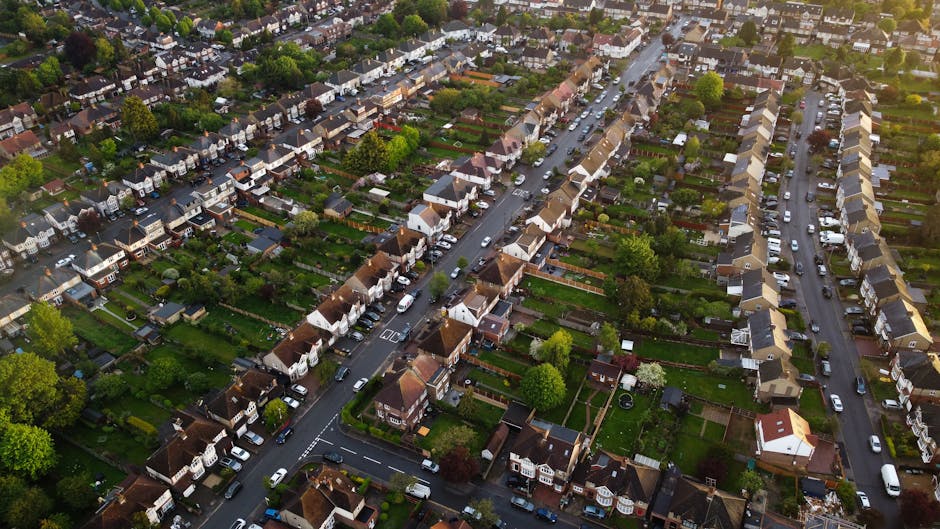
If you are planning a move on Hale Lane in HA8, you already know the awkward bits rarely happen in the packing box. They happen at the front door, on the stairs, at the kerb, and in the tiny gaps between parked cars and brick walls. That is exactly why Hale Lane HA8 removals advice for terraced houses needs to be practical, not fluffy. Terraced homes can be brilliant to live in, but they ask a bit more of a moving crew: narrow hallways, shared walls, limited storage, and access that can change depending on who is parked where.
This guide walks you through the real-world decisions that make a terraced-house move smoother. You will find advice on planning access, protecting your home, choosing the right removal method, avoiding common mistakes, and using local support wisely. There is also a checklist, a comparison table, and a few hard-earned tips that tend to save people time, stress, and the odd scraped skirting board. Let's face it, no one wants the sofa to become the headline of moving day.
Why Hale Lane HA8 removals advice for terraced houses Matters
Terraced-house moves are different because the building itself works against you in a few small but annoying ways. You often have tighter entrances, shared staircases or front paths, and less room for staging furniture before it goes into the van. On Hale Lane, that can be magnified by traffic flow, on-street parking pressure, and the simple fact that a removal van cannot always pull up directly outside your door. If you are moving at school-run time, or on a Saturday morning when everyone seems to have the same idea, the street can feel smaller than it looked during the viewing.
Good advice matters because a terraced move is usually won or lost in the planning. The packing itself is only one part of it. You need to think about walking distance from front door to vehicle, whether bulky furniture can turn on the stair bend, how to avoid blocking neighbours, and whether a short, compact team is better than a large crew with a bigger vehicle. Even a modest two-up, two-down can become complicated if the front room is full of mixed furniture and the hallway is barely wide enough for a mattress.
For many households, the best next step is to look at the move as a sequence rather than a single event. That is the shift in mindset that saves stress. A terraced move is not just "load the van and go"; it is access, packing, carrying, parking, protection, and timing. Get those right and everything else feels calmer.
How Hale Lane HA8 removals advice for terraced houses Works
The process is straightforward on paper and a bit more nuanced in real life. Start by assessing the property as a mover would, not as a resident. That means stepping back and looking at the route from each room to the front door. Is there a tight corner on the stairs? A low ceiling on the landing? A front step that turns slick when it rains? A little observation early on can save a long delay later.
Next, match the size of the move to the method. A terraced house with a few large pieces, standard boxes, and one or two fragile items may suit a flexible option such as a man and a van in Edgware, especially if access is tight and the load is modest. Larger family homes, or houses with full furniture sets and appliances, usually benefit from a more structured approach through house removals in Edgware. The right choice depends less on the postcode and more on the shape of the property and the amount of lifting involved.
Finally, organise the move so that the front of the house remains usable. That means pre-clearing the hallway, keeping doors open where safe, placing floor protection down, and not leaving loose bags on the stairs. In practice, this makes the move feel less chaotic. One small thing at a time, and suddenly the whole day looks manageable.
Key Benefits and Practical Advantages
There are some very real advantages to handling a terraced-house move properly instead of winging it. The first is speed. A clear access route and correctly packed boxes reduce the time spent shuffling items around the hallway like a bad game of furniture Tetris. The second is protection. When furniture is wrapped, labelled, and carried in the right order, there is less chance of damage to both the belongings and the house itself.
Another benefit is neighbourly goodwill. On Hale Lane, as on most residential streets, people notice if a van blocks the road or if mattresses are dragged across shared paths. A clean, tidy move is simply easier on everyone. It also makes it easier for the removal team to work without pressure from passing traffic or frustrated residents. Not glamorous, but very useful.
There is also a financial angle. Better planning often means fewer wasted hours, fewer emergency purchases, and less likelihood of needing last-minute storage. If you want to explore broader moving support, the company's services overview is a sensible place to understand how different move types are handled, especially if you are comparing a partial move, full house move, or short-notice booking.
Expert takeaway: The best terraced-house move is rarely the fastest-looking one at first glance. It is usually the one that is prepared, lightly staged, and calm at the kerb.
Who This Is For and When It Makes Sense
This advice is for anyone moving in or out of a terraced house on Hale Lane HA8, but it is especially useful if your property has one or more of the following traits:
- a narrow staircase or tight landing turn
- limited driveway or forecourt space
- shared access with neighbours
- heavy furniture such as wardrobes, chests, or beds
- young children, pets, or a lot of loose household items
- an arrival or departure time that must be kept tight
It also makes sense if you are downsizing, moving into your first home, or juggling a completion day with a handover deadline. In those situations, the move can feel like a race against the clock. A plan stops it becoming a scramble. If your furniture is manageable but you want speed and flexibility, a man with van service in Edgware can suit smaller loads and compact properties. If you are moving from a flat above the street, you may want to compare that with flat removals in Edgware, since access challenges overlap quite a bit.
In our experience, the people who benefit most from this guide are the ones who say, "It's only a short move." Short moves can still be tricky. Actually, sometimes they are trickier because people assume they need less preparation. That is when the boxes are packed badly and the van arrives before the hallway is clear. Bit of a mess, really.
Step-by-Step Guidance
-
Survey the property from the mover's point of view.
Walk the route from top floor to front gate. Check where furniture catches, where boxes can rest, and whether there are any low lights, loose rugs, or awkward door swings. You are looking for friction points before they become moving-day problems.
-
Sort the contents by weight, fragility, and priority.
Keep heavy items in small boxes. Use larger boxes for lighter goods such as cushions, bedding, or soft toys. Label each box clearly with the room and whether it needs care. A box marked "books" should not secretly contain three pans and a power drill. That never ends well.
-
Measure the awkward pieces.
Wardrobes, sofas, headboards, mirrors, and dining tables should be measured before move day. If a piece may not fit around a stair bend or through the front door, plan for dismantling. A few minutes with a tape measure can save a lot of grunting later.
-
Arrange the right vehicle and crew size.
Compact access often works best with a careful loading plan rather than sheer volume. For larger furniture collections, it helps to choose a team with the right protective materials and lifting approach. If your move includes specialist items, such as a keyboard or upright instrument, the dedicated piano removals service shows the value of experienced handling for heavy, delicate pieces.
-
Protect the house before anything starts moving.
Use covers for bannisters, blankets for corners, and floor protection for the most trafficked routes. Terraced houses often have the same narrow pinch points, so the damage risk repeats every time a long item comes through. Protect early, not after the first scuff.
-
Load in the right order.
Large, sturdy items usually go first, followed by boxed goods and then fragile pieces that can be secured tightly. Keep essentials near the back or in a separate bag so they are easy to access at the other end. If you have a long list of items, a good packing system is worth exploring through packing and boxes in Edgware.
-
Leave the property tidy and check nothing is missed.
Open cupboards, loft hatches, and under-stair storage. A terraced house can hide a surprising number of items in small recesses. By the time the van is loaded, the place should feel empty, clean, and ready for handover.
Expert Tips for Better Results
One of the best tips is to keep the first and last load small, deliberate, and predictable. In other words, do not start the move with a pile of loose oddments. Start with boxed, labelled, easy-to-carry items. The rhythm matters. Once the team gets into a clean flow, the whole day feels easier.
Another practical tip: keep a "do not load yet" zone. In a terraced house, that might be a spare chair, the top of a chest, or one corner of the front room. Put keys, paperwork, chargers, medication, and kettle items there. You would be surprised how often those small essentials disappear into the main load by mistake. Then everyone is looking for the phone charger at 9:30pm. Classic.
If your move includes items you no longer need, consider reducing clutter before the team arrives. That helps with timings and can reduce the amount of waste going into the move. For households that want to move more responsibly, the company's recycling and sustainability information is worth reading, because the practical side of moving and the responsible side often meet in the same pile of unwanted stuff.
It can also help to compare service styles before you commit. A quick glance at removal services in Edgware may make it clearer whether you need a simple vehicle-and-driver setup or a fuller moving support package. That choice depends on pace, access, and how much manual handling you are comfortable with.
Common Mistakes to Avoid
The biggest mistake is underestimating access. People see a terraced house and think, "It's only two floors." But a two-floor move can still be awkward if the staircase turns sharply or if furniture has to be rotated in a narrow hallway. The shape of the property matters more than the number of rooms.
Another common slip is overfilling boxes. Heavy boxes are harder to carry safely on stairs, especially when you are turning corners or opening doors along the way. Small, manageable boxes are better than one heroic box that nobody actually wants to lift. Truth be told, hero boxes are a myth.
Do not forget parking and timing either. If the van has to park further away than expected, carrying time increases fast. That affects the whole plan. It is a simple enough issue, but it catches people out. Also avoid leaving bins, bikes, prams, and plant pots in the access route. They always seem harmless until somebody is trying to pass with a wardrobe.
Finally, avoid skipping insurance and safety checks. Even with experienced movers, accidents can happen. If you want reassurance about handling standards and protection, the company's insurance and safety guidance is a sensible point of reference before move day.
Tools, Resources and Recommendations
You do not need a warehouse full of kit, but a few things genuinely help. Strong tape, marker pens, furniture blankets, stretch wrap, door protection, and a basic tape measure are all useful. A hand trolley or sack barrow can help if the property layout allows it, though on some terraced staircases it may be more trouble than it is worth. Again, use judgement.
Here is a quick set of recommendations that keeps most terraced moves sane:
- Pack one room at a time so boxes stay grouped logically.
- Use colour or room labels for faster unloading.
- Keep children and pets away from the main carrying route.
- Prepare a small essentials bag for the first night.
- Photograph furniture and any pre-existing marks before the move.
- Separate fragile items and carry them last if possible.
For people comparing service formats, the company pages on man and van in Edgware and removals in Edgware can help you understand the difference between a lighter, more flexible move and a fuller relocation. If you need to place items temporarily while you complete or decorate, storage in Edgware is the sensible fallback. Sometimes that extra breathing room is the difference between a rushed day and a properly managed one.
Law, Compliance, Standards, or Best Practice
For a domestic move, most of the practical compliance points are about safety, insurance, and access rather than complex legal formalities. In the UK, moving safely usually means using sensible manual handling practices, protecting shared spaces, and making sure any vehicle activity does not create avoidable hazards for neighbours or passers-by. If you are arranging the move yourself, it is wise to think about trip hazards, load weight, and how items are handled on stairs and pavements.
Best practice also includes clear communication. If you share a terrace wall or a narrow front path, let neighbours know if there may be temporary disruption. That is not a legal lecture; it is just respectful and practical. The same goes for keeping fire exits and doorways clear during the move. In a terraced home, a cluttered passage can become a problem very quickly.
If you are using a professional mover, check that their approach matches your expectations around care, payment, and security. For a quick sense of how a provider sets out its operating standards, the pages on payment and security, terms and conditions, and privacy policy can be useful. They do not replace a proper conversation, of course, but they do show whether a company takes the basics seriously.
And if you ever need to raise an issue after the move, a clear complaints procedure is a reassuring sign that the business has thought about accountability, not just bookings.
Options, Methods, or Comparison Table
Choosing the right moving method for a terraced house is mostly about access, volume, and how much lifting you want to outsource. Here is a simple comparison to help you decide.
| Option | Best for | Strengths | Watch-outs |
|---|---|---|---|
| Man and van | Smaller terraced moves, a few rooms, lighter furniture | Flexible, compact, often easier on tight streets | May be less suitable for full-house loads or complex furniture |
| House removals | Full family moves, multiple bulky items, longer loading times | More structured support, more handling capacity | Needs better planning around parking and access |
| Storage plus removal | Completion gaps, decorating, decluttering, staged moves | Reduces pressure when move dates do not line up neatly | Requires extra organisation and a clear inventory |
| Specialist item move | Pianos, artwork, delicate or unusually heavy items | Extra care and appropriate handling equipment | Needs early notice and precise measurements |
If you are still unsure, compare the overall service picture rather than one single feature. The broader removal companies in Edgware page may help you understand what a full service usually includes. For a move that must happen quickly, the information on same day removals in Edgware may also be relevant, though short-notice jobs on a terraced street always need a clear access plan.
Case Study or Real-World Example
Imagine a couple moving from a classic terraced house near Hale Lane into a slightly larger home a short distance away. They have a sofa, a dining table, two beds, several bookcases, and far more kitchen items than they thought existed. The front room is crowded by the evening before move day, and there is a sharp turn on the stairs that makes the wardrobe look suspiciously awkward. You know the type of move; everything seems fine until the final hour.
Instead of trying to move everything in one sweep, they split the load into three parts. First went the boxed items from upstairs. Then the dismantled bed frames and smaller furniture. Last came the sofa and larger items, once the hallway had been cleared and floor protection was down. They kept a separate essentials bag with kettle, toiletries, documents, phone chargers, and a change of clothes. That little bag was gold, honestly. No searching through box number 17 for toothpaste at 11pm.
Because the street access was narrow, they chose a flexible moving setup and timed the loading for a quieter part of the morning. The result was not magically effortless, but it was controlled. No blocked doorway, no frantic re-packing, no broken lamp. That is the kind of success terraced-house moves should aim for: not drama, just a clean handover and a decent cup of tea at the end.
Practical Checklist
Use this list the day before and again on the morning of the move.
- Measure large furniture and key doorways.
- Confirm parking and access arrangements.
- Pack fragile items separately and label them clearly.
- Keep hallways, stairs, and landings as clear as possible.
- Protect floors, corners, and bannisters.
- Set aside documents, keys, chargers, and medication.
- Tell neighbours if the street may be busy for a while.
- Check which items need dismantling before loading.
- Prepare water, snacks, and a kettle if you can.
- Walk through the empty house before handing over the keys.
If you want more background on local moving support, the broader removals Edgware and furniture removals Edgware pages can help you think through the kind of service that best fits your load. A sensible choice here makes the rest of the day much easier, and yes, it really does matter.
Conclusion
Hale Lane HA8 removals advice for terraced houses comes down to one simple truth: the house layout, street access, and moving plan have to work together. If you plan for narrow hallways, careful lifting, sensible packing, and respectful street use, the move becomes much more manageable. That is the difference between a stressful shuffle and a move that feels organised from the first box to the final key handover.
Terraced-house moves rarely need perfection. They need preparation, patience, and a bit of common sense. Get those three things right and the day usually goes better than people expect. And if a few details still feel uncertain, that is normal. Moving house always has a couple of wobbly moments. The point is to keep them small.
Get a free quote today and see how much you can save.
When the dust settles and the last box is inside, there is a particular quiet that feels earned. That part is worth aiming for.
![A quiet residential street in Edgware featuring a row of terraced houses built with red brick and brick chimneys visible atop each property. Small front steps and low brick walls separate the houses from the pavement. On the right side, a tall wooden fence runs along the boundary, with dense green foliage hanging over its top. The street is paved and narrow, with a slight curve leading to more houses in the distance, and several black wheelie bins are positioned along the sidewalk for waste collection. The scene is illuminated by natural daylight, casting shadows on the pavement, and the overall environment suggests a typical suburban setting suitable for home relocation or furniture transport. Occasionally, [COMPANY_NAME] may utilize this type of street for house removals or professional moving services, involving loading and packing activities within the properties or onto moving vehicles.](/pub/blogphoto/hale-lane-ha8-removals-advice-for-terraced-houses3.jpg)